Guides
Is Dog Rehabilitation Crucial After Surgery?
Mar 8, 2026
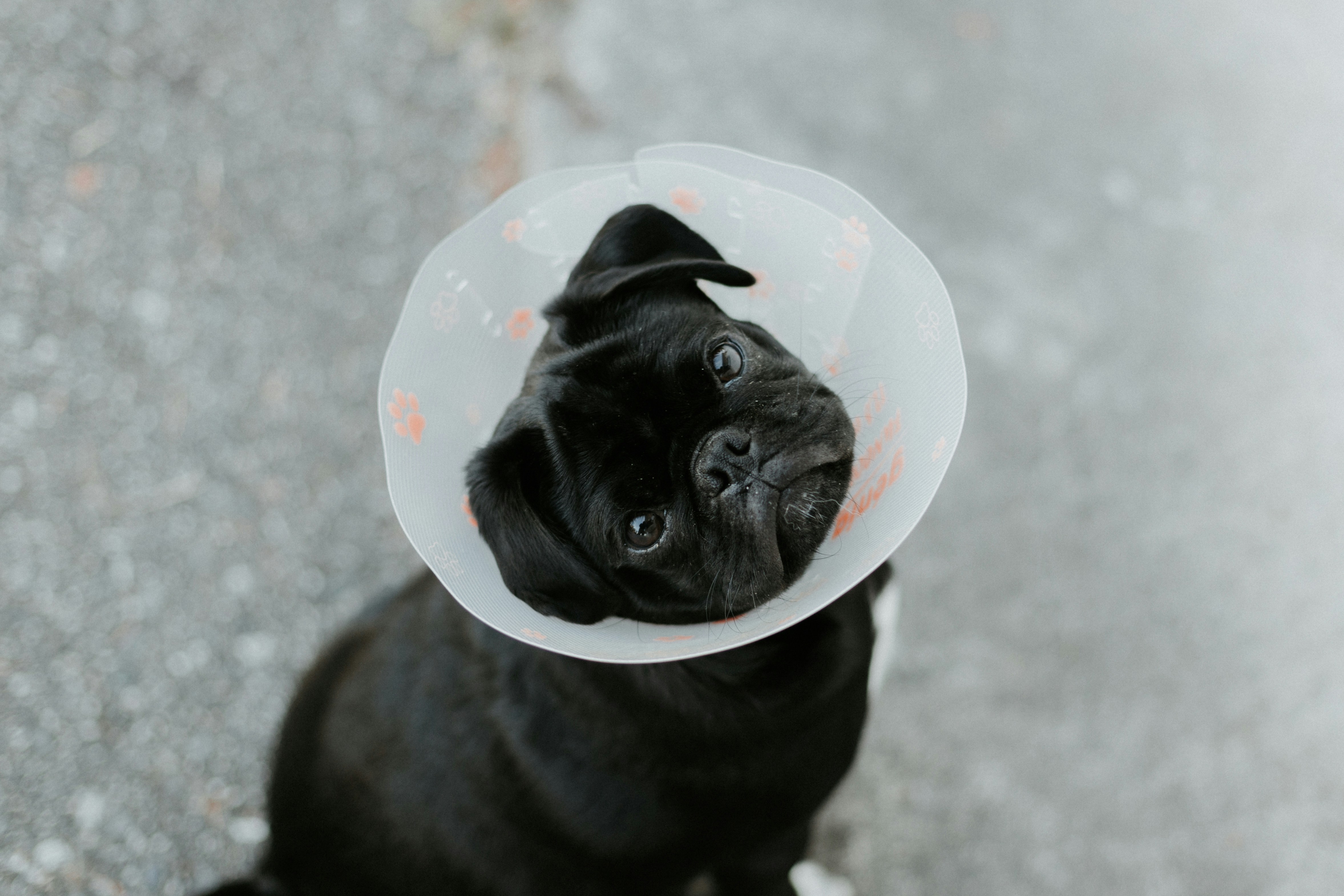
If your dog has recently undergone surgery, you might be wondering: Do I really need physiotherapy for my dog? The simple answer is yes. But understanding why it’s important can help you make the best decision for your furry friend.
Understanding Your Dog’s Body After Surgery
Just like humans, dogs experience significant changes in their bodies after surgery. Inflammation occurs as the body starts healing, and tissues need time to repair. Often, surgery requires cutting through muscles or other tissues, which can increase recovery time, pain, and the risk of post-surgery muscle atrophy.
Muscle atrophy can also happen simply because your dog may use the affected leg less. Over time, this can lead to imbalances, stiffness, and even new injuries as your dog compensates for the weak area.
For example, a dog who has had cruciate ligament surgery may stop using the affected leg for a few days. Without physiotherapy, the leg muscles can become weak, the joint stiff, and your dog may start favouring the other leg, which can create new problems.
How Physiotherapy Helps
Physiotherapy plays a crucial role in preventing these secondary issues. The main goals are to:
Reduce pain and discomfort: gentle exercises and targeted treatments can minimise soreness.
Prevent muscle atrophy and joint stiffness: keeping the muscles active helps maintain strength.
Avoid compensatory injuries: physiotherapy ensures your dog doesn’t overuse other limbs or joints.
Restore proper movement patterns: we teach your dog to use the affected area correctly again.
Rehabilitation isn’t just about exercises. A physiotherapist works closely with your veterinarian to monitor healing and know when it’s necessary to refer back if complications, such as infection or delayed healing, occur.
Real-Life Example: Bella the Labrador
Bella had hip surgery after a traumatic injury. During her first physiotherapy session, she was reluctant to put weight on her operated leg. Through guided exercises, balance work, and gentle stretches, Bella gradually regained strength. Within weeks, she was walking more confidently and avoiding overcompensation in her other legs, preventing long-term issues.
The Team Approach to Recovery
Successful recovery is a team effort. Your veterinarian, the physiotherapist, and you all play a role. We help you understand:
Activities to avoid and when your dog can safely resume normal movements
How to adapt your home to make it safe and comfortable for your dog
Nutrition and supplements that support healing
Home exercise programs tailored to your dog’s condition and recovery stage
By working together, we can guide you to support your dog safely and effectively throughout the recovery process.
Real-Life Example: Max the Poodle
Max had knee surgery (TPLO). His physiotherapist gave his owner simple home exercises to do daily - like controlled walks, gentle weight shift exercises, and balance work on soft surfaces. This routine helped Max regain full function faster than if he had only rested at home.
The Goal: Better Life for You and Your Dog
Ultimately, physiotherapy makes life easier for you and better for your dog. It speeds up recovery, prevents complications, and helps your furry friend regain full strength, confidence, and mobility. With the right guidance and care, your dog can return to their happiest, healthiest self - sooner than you might expect.