Guides
Beyond Surgery: Maximising Recovery
Mar 15, 2026
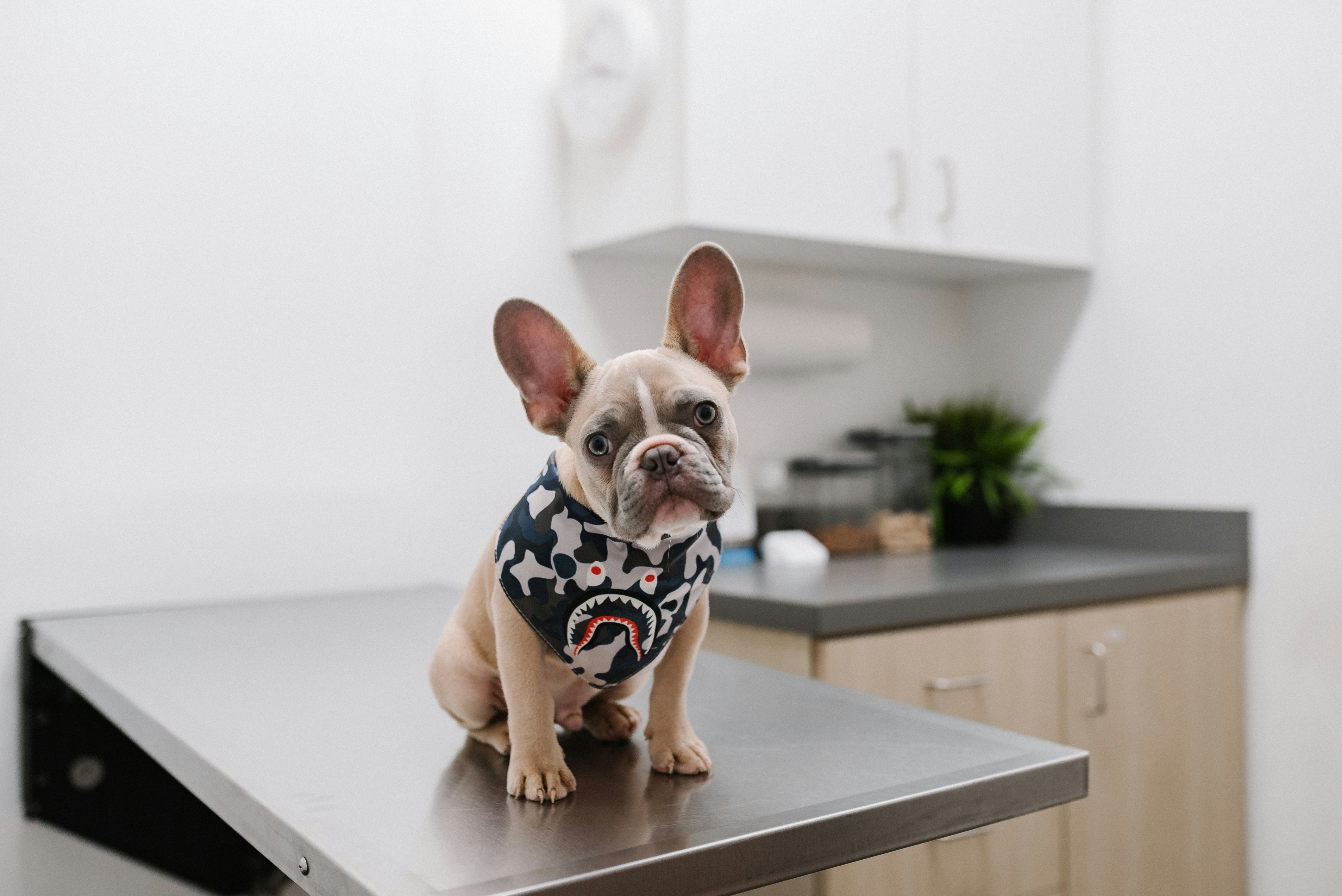
When Should You Refer a Patient to a Veterinary Physiotherapist?
Veterinary physiotherapy plays an important role in improving recovery, mobility, and long-term quality of life for many patients. Referring patients at the appropriate time can significantly enhance treatment outcomes and support safer, more efficient rehabilitation.
Veterinary physiotherapists work alongside veterinarians to address pain, restore function, and prevent secondary complications. Through collaboration, we can provide more comprehensive care that supports both healing and long-term patient wellbeing.
1. Post-Surgical Rehabilitation
Physiotherapy is extremely valuable following orthopaedic, neurological, and soft tissue surgeries. Early and controlled rehabilitation helps reduce pain and swelling, restore joint range of motion, rebuild muscle mass, and guide patients safely back to normal activity.
Common examples include:
TPLO / cranial cruciate ligament surgeries
Fracture repairs
FHO (Femoral Head Ostectomy)
Total Hip Replacement
Patella luxation corrections
Spinal surgeries
Soft tissue surgeries
Structured rehabilitation can improve functional outcomes and help reduce the risk of complications or delayed recovery.
2. Orthopaedic Conditions
Physiotherapy can support the management of both acute and chronic musculoskeletal conditions. In many cases, it helps improve joint mobility, reduce pain, and strengthen the structures supporting the affected joints.
Importantly, physiotherapy can also be extremely valuable when surgery is not an option, whether due to patient age, financial limitations, or when conservative management is preferred.
Examples include:
Osteoarthritis
Hip or elbow dysplasia
Tendon or ligament injuries
Muscle strains
Joint instability
3. Neurological Rehabilitation
Patients recovering from neurological conditions benefit greatly from structured physiotherapy. Rehabilitation focuses on improving sensory awareness and motor control, while also supporting coordination, proprioception, strength, and functional movement.
Physiotherapy also plays an important role in preventing chronic compensations and secondary musculoskeletal issues, which are common in neurological patients.
Examples include:
Intervertebral Disc Disease (IVDD)
Spinal trauma
Post-neurological surgery recovery
Nerve injuries
4. Chronic Pain Management
Physiotherapy can significantly improve comfort and mobility in patients suffering from chronic pain conditions.
In addition to manual therapy and targeted exercise programs, physiotherapists can use modalities such as electrotherapy, therapeutic laser therapy, and hydrotherapy to support pain management, reduce inflammation, and encourage safe movement.
5. Weight Management and Conditioning
For overweight patients or animals with reduced mobility, physiotherapy provides controlled and safe exercise programs tailored to the patient’s condition.
Hydrotherapy is particularly beneficial for these patients as it allows them to exercise with reduced joint loading while still building strength and improving cardiovascular fitness.
6. Senior Patient Care
Senior animals often experience reduced mobility, muscle loss, joint stiffness, and chronic pain. Unfortunately, these patients are sometimes overlooked when it comes to rehabilitation.
However, physiotherapy can make a significant difference in maintaining mobility, independence, and overall quality of life in ageing animals. Through pain management, muscle strengthening, and mobility exercises, we can help senior patients remain comfortable and active for longer.
Supporting these patients proactively can greatly improve their daily comfort and well-being.
7. Performance and Working Animals
Physiotherapy is not only useful for treating injuries - it is also an effective preventative tool.
By improving strength, mobility, coordination, and body awareness, physiotherapy helps reduce the risk of injury before problems develop. This is particularly valuable for athletic dogs, working dogs, and sport or performance horses, where maintaining optimal musculoskeletal health is essential.
Preventative conditioning can help ensure these animals perform safely and maintain longevity in their work or sport.
The Importance of Collaboration
Veterinary physiotherapy is designed to complement veterinary care, not replace it.
Physiotherapists work under veterinary referral and always respect the veterinarian’s diagnosis, treatment plan, and medical management of the patient. Our role is to support the long-term functional recovery, mobility, and maintenance of the patient following veterinary assessment.
By working together, we can:
Improve rehabilitation outcomes
Support faster and safer recovery
Reduce the risk of re-injury
Provide structured long-term maintenance plans for patients
The goal is not to take work away from veterinarians, but rather to support the long-term well-being of the patient through a collaborative approach.
Working Together for Better Patient Outcomes
Early referral to physiotherapy can make a significant difference in recovery and long-term comfort. By integrating rehabilitation into the treatment plan, veterinarians and physiotherapists can work as a team to ensure patients receive the most comprehensive care possible.
Together, we can help our patients move better, recover faster, and enjoy a better quality of life.