How to
Guides
How to Support Your Older Dog During Winter
Apr 26, 2026
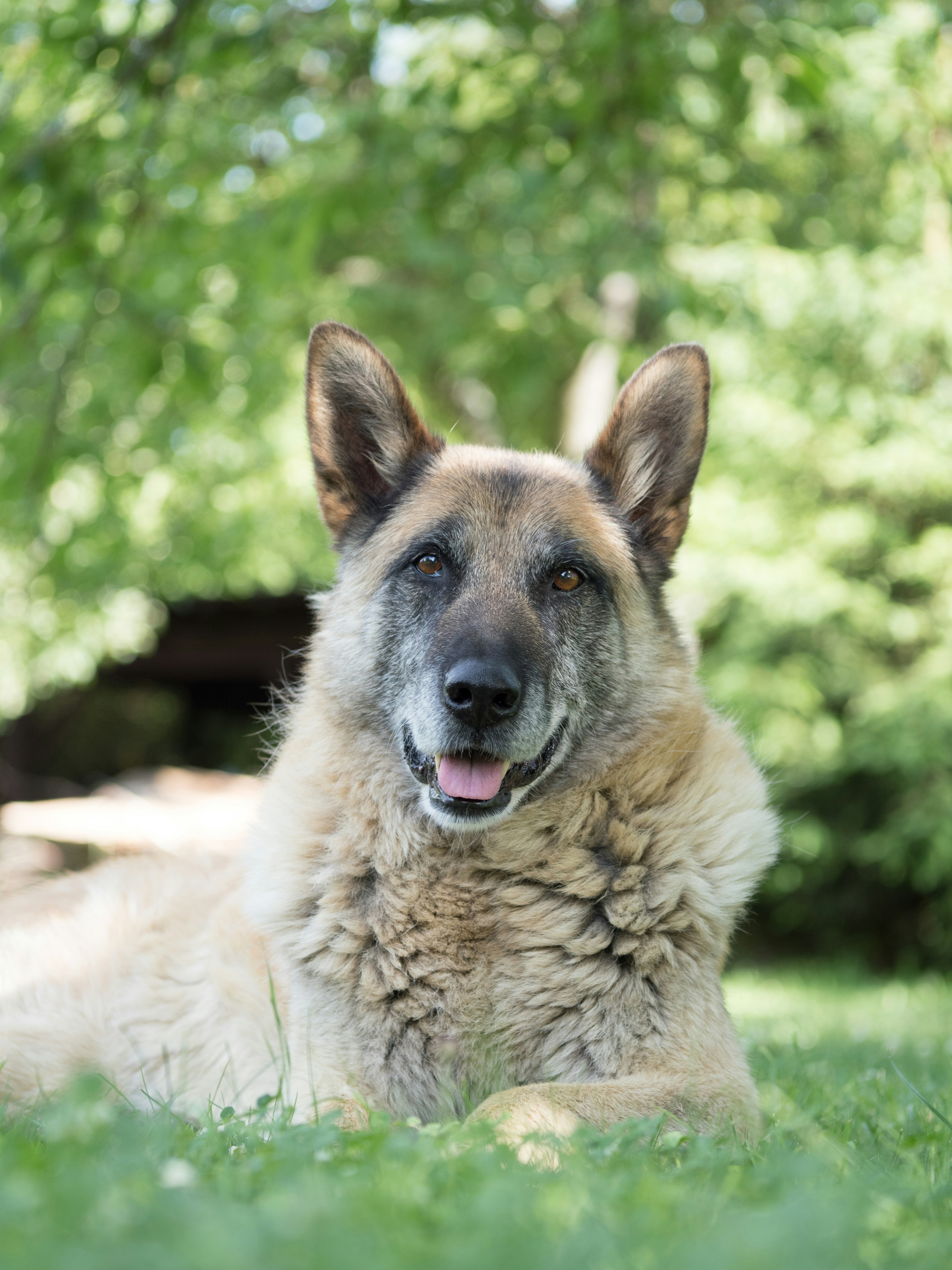
Have you noticed your dog struggling to get up in the morning during winter?
Are they less active, reluctant to play, or becoming more irritable? Maybe they can no longer jump onto their favourite couch, or they need help getting up the stairs. These are common signs of ageing, but they often become more noticeable during colder months. Winter can increase stiffness, discomfort, and reduce mobility in senior dogs.
However, this should not simply be accepted as “normal ageing.” There are ways to support your dog and improve their comfort, both at home and with the guidance of a veterinary physiotherapist.
In this blog, I will share four practical tips you can apply at home to help your senior dog move more comfortably through winter.
Tip 1: Elevate Food and Water Bowls
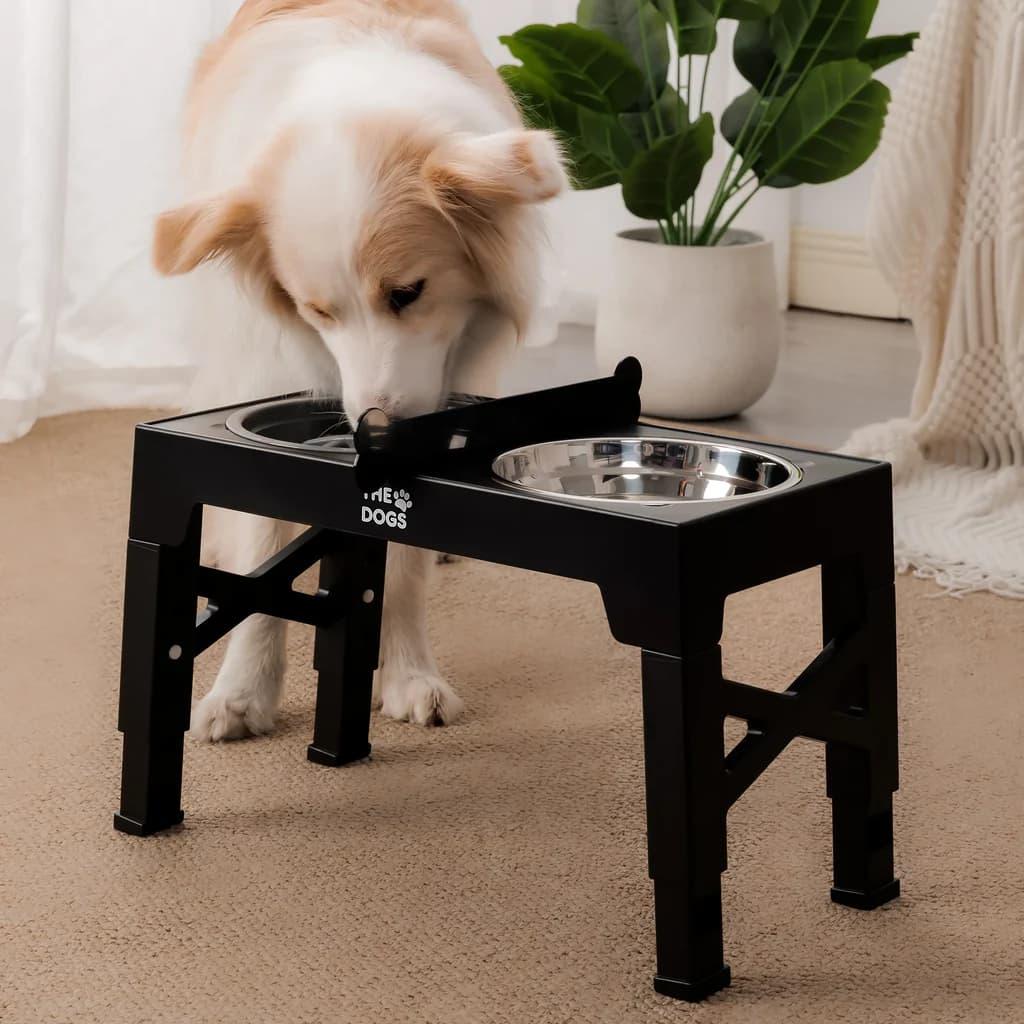
This may seem simple, but it can make a significant difference.
Older dogs often compensate by placing more load on their forelimbs, especially if they are dealing with joint conditions such as hip dysplasia. Dogs naturally carry around 60% of their body weight on their front limbs.
By elevating food and water bowls, you:
Reduce strain on the forequarters
Encourage a more neutral neck and spinal position
Improve comfort during feeding
Tip 2: Avoid Slippery Surfaces
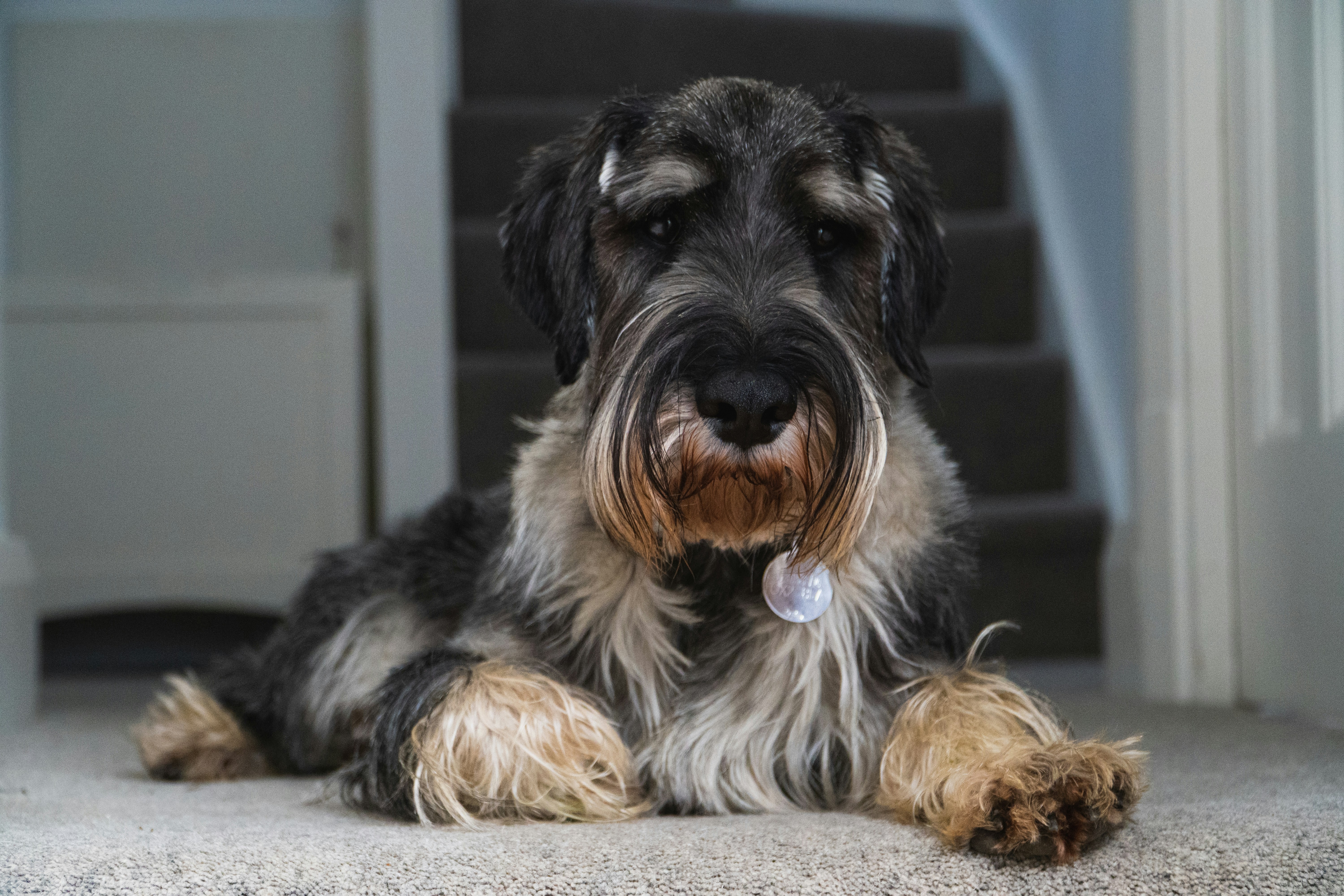
Slippery floors are a common but often overlooked challenge for senior dogs.
Reduced traction can lead to:
Increased muscle tension from overcompensation
Loss of confidence when moving
Greater risk of injury
Practical solutions include:
Placing carpets or non-slip mats around the home
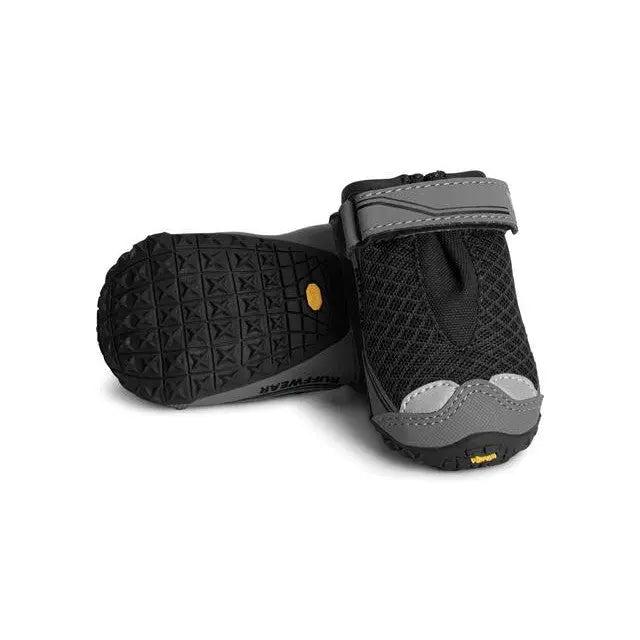
Using toe grips or dog boots
Adding traction in high-risk areas such as hallways and corners
Tip 3: Use Heat and Ice Appropriately
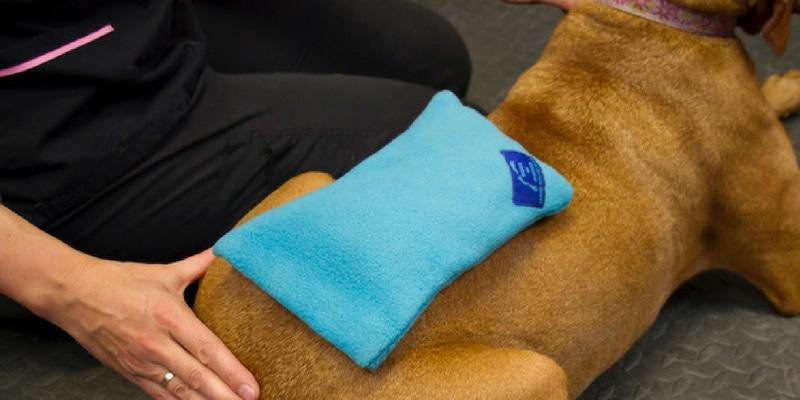
Applying heat to stiff or painful areas, especially in the morning or before walks, can be very beneficial.
Heat helps:
Increase blood flow (vasodilation)
Reduce stiffness
Improve soft tissue flexibility
In cases where your dog may have overexerted themselves and triggered a flare-up, ice can also be useful:
Helps reduce inflammation (vasoconstriction)
Assists in managing acute pain
Tip 4: Adapt Their Exercise
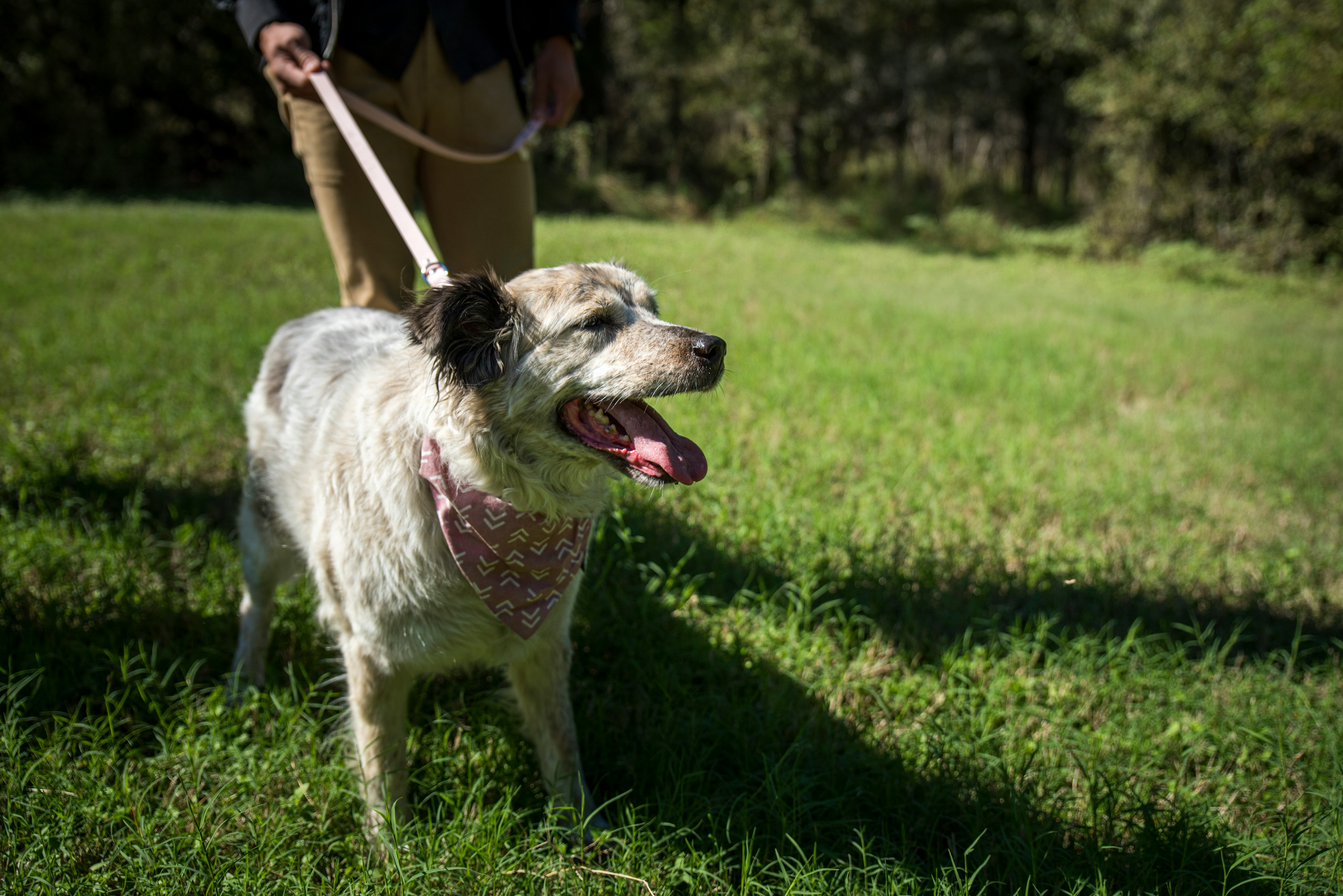
Long walks are not always the best option for older dogs. Appropriate exercise is more important than distance.
Focus on:
Walking within your dog’s daily capacity
Choosing suitable surfaces
Preferred surfaces:
Grass
Forest paths
Surfaces to limit:
Sand, as it is unstable and increases muscle fatigue
Tar roads, due to the higher impact on joints
A more effective approach is to:
Take shorter, controlled walks
Increase frequency rather than duration
For example, two 5-minute short walks per day are often more beneficial than one 10-minute walk.
Movement remains essential for joint health, but it is important not to overload an ageing body.
Final Thoughts
Winter can be particularly challenging for senior dogs, but small changes at home can significantly improve their comfort and mobility.
There are many additional ways to support your dog beyond these tips. If you would like to explore a tailored approach or ensure your dog is as comfortable as possible this winter, consider consulting a veterinary physiotherapist. You can get in contact with us today at lea@secondstride.co.za