Success Stories
From Surgery to Strength: A TPLO Rehabilitation Success Story
Mar 30, 2026
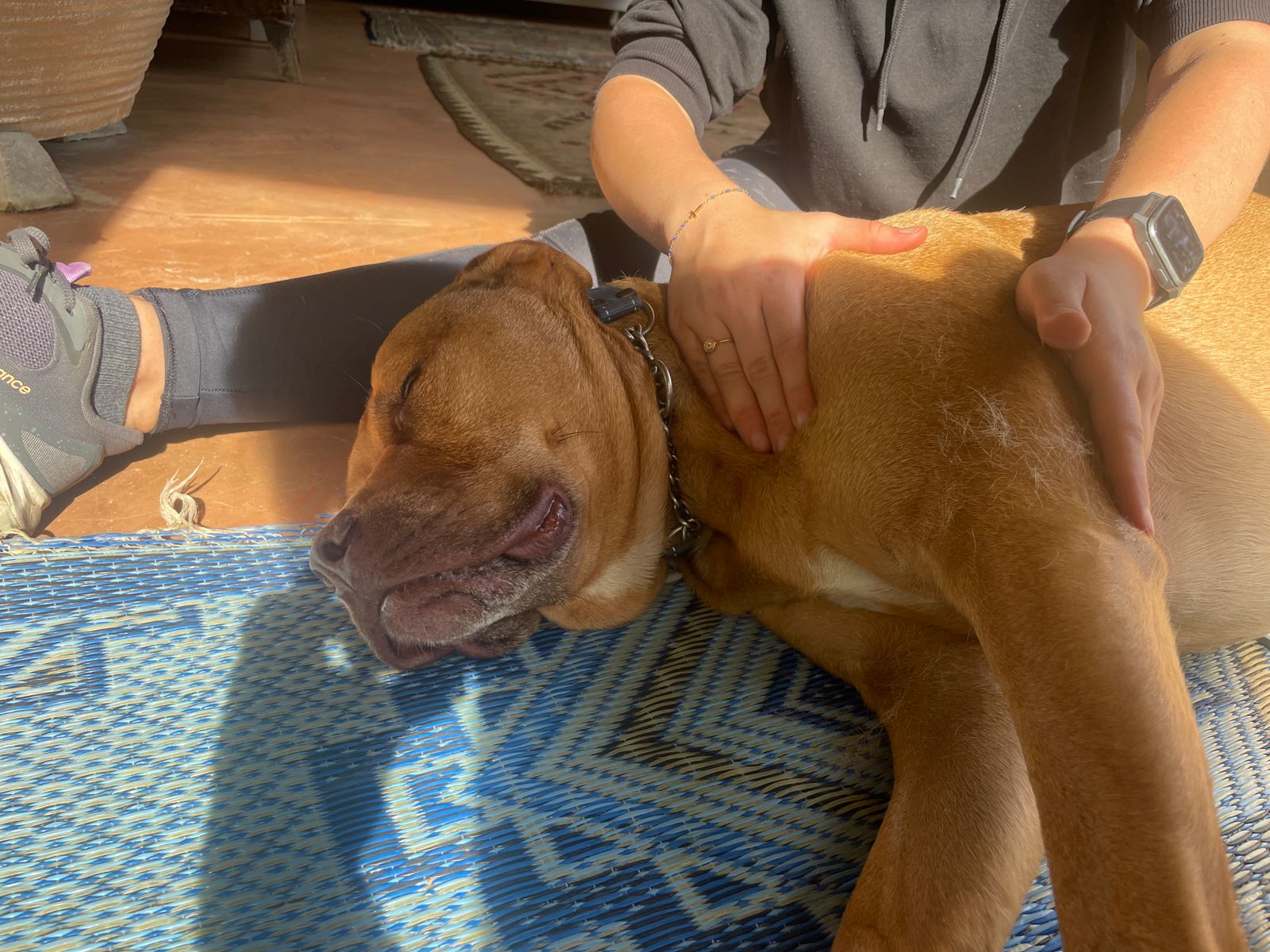
When a 5-year-old medium-to-large breed dog underwent TPLO surgery on his right hind limb, the surgical procedure was only the first step in his recovery.
While the operation successfully stabilised the stifle (knee) joint, true functional recovery required something more: structured, progressive rehabilitation.
This case highlights why physiotherapy after TPLO surgery is not optional - it is essential.
What Happens After TPLO Surgery?
TPLO (Tibial Plateau Levelling Osteotomy) is performed to stabilise the knee following a cranial cruciate ligament rupture. The surgery changes the biomechanics of the joint, allowing the dog to bear weight without the ligament.
However, surgery alone does not:
Restore lost muscle mass
Correct compensation patterns
Rebuild neuromuscular control
Prevent secondary strain in the back and forelimbs
Eliminate stiffness
Without guided rehabilitation, many dogs continue to show subtle lameness, weakness, or long-term compensation.
Early Post-Operative Stage
At four weeks post-surgery, this patient presented with:
Mild to moderate lameness on the surgical limb
Inflammation around the stifle
Noticeable muscle atrophy in the operated hind limb
Compensatory tightness through the back and forequarters
Mild discomfort at end-range flexion and extension
This presentation is extremely common after TPLO surgery.
The Initial Focus Was:
Controlling inflammation
Supporting tissue healing
Maintaining safe joint range of motion
Preventing excessive compensatory strain
Introducing gentle muscle activation
Treatment included:
Laser therapy
Manual therapy
High-intensity PEMF
Controlled range-of-motion work
Strict activity modification
The Strength-Building Phase
By approximately eight weeks post-surgery, improvement was evident.
Lameness had reduced significantly. Joint heat had resolved. The surgical limb was more comfortable during movement.
However, muscle measurements showed clear asymmetry between hind limbs - a strong reminder that muscle rebuilding takes time and guided progression.
At this stage, rehabilitation progressed to include:
Underwater treadmill therapy
Controlled sit-to-stand strengthening
Weight-shifting exercises
Balance work on unstable surfaces
Progressive pole work
Ongoing manual therapy for compensatory areas
The aim shifted from healing to rebuilding strength, coordination, and joint stability.
The Long-Term Outcome
Three months later, the patient returned to normal daily activities and was confidently off-leash again.
On reassessment:
No marked lameness was observed
Muscle mass had significantly improved
The surgical limb was comfortable
Only mild residual compensatory tightness remained
Importantly, subtle secondary strain was identified in the lumbar spine and forequarters - areas that often work harder during the early recovery phase. These were addressed proactively to prevent future problems.
This highlights an important message:
Just because a dog appears “normal” does not mean their biomechanics are fully restored.
Why Post-TPLO Physiotherapy Matters
Rehabilitation after TPLO surgery helps to:
✔ Restore muscle symmetry
✔ Improve joint range of motion
✔ Reduce compensatory back and forelimb pain
✔ Protect the opposite hind limb
✔ Improve long-term joint health
✔ Lower the risk of early osteoarthritis progression
Many cruciate injuries occur in the opposite limb within 1–2 years. Proper strengthening and symmetry restoration can help reduce this risk.
Rehabilitation Is an Investment in the Future
Surgery stabilises the joint.
Physiotherapy restores function.
When rehabilitation is structured, progressive, and tailored to the individual dog, outcomes are significantly improved - not just in the short term, but for long-term joint health and quality of life.
Final Take-Home Message for Pet Owners
If your dog has undergone TPLO surgery, ask yourself:
Has muscle mass been measured and monitored?
Has compensation through the back or forelimbs been assessed?
Is strengthening progressing safely and appropriately?
Has your dog been cleared for off-leash activity based on objective reassessment?
If the answer is no, physiotherapy could make a significant difference.
Every successful surgical outcome deserves an equally successful rehabilitation journey.